

Hydraulics
You get high-performance coating systems through technically superior processes such as the HVAF coating process, which give our customers the edge they need over their competitors.
The initial situation
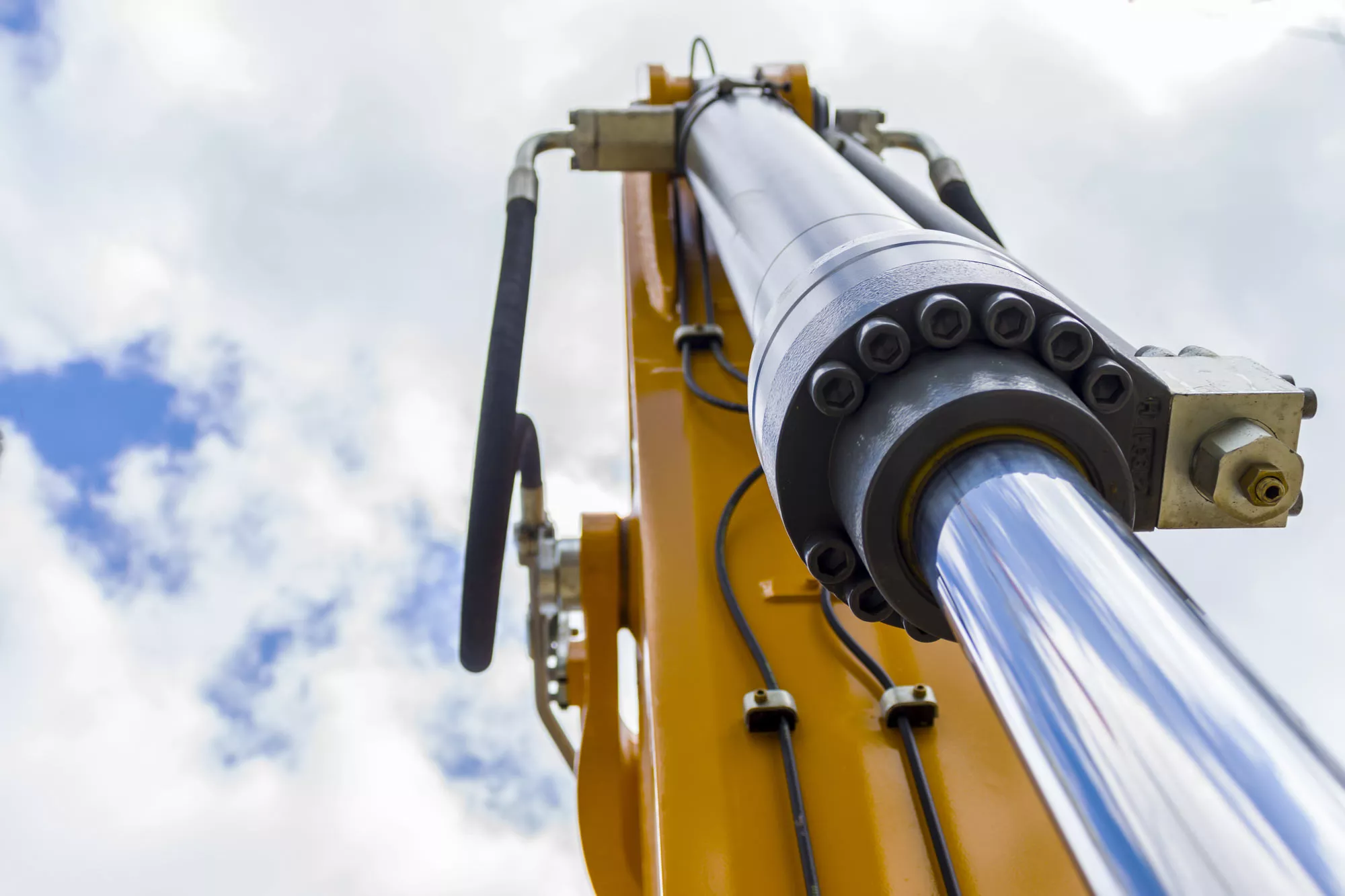
In hydraulic engineering, hard-chromed hydraulic cylinders frequently suffer corrosion and wear. And over time, the surface texture and roughness of the piston rods change. The consequences are often surface smoothing and hence an increase in friction on the piston rod seals coupled with a higher risk of failure. In addition, microcracks may appear as soon as chromium coatings are applied, which can also lead to corrosion-related failure. Furthermore, the chrome tips on the piston rod surface are usually worn away quickly. All this has a negative impact on the entire tribological system and may lead to the failure of hydraulic units. Therefore, our clients are looking for surface coatings which are more resistant and durable, and whose surface properties are more stress-resilient, hence helping to enhance the tribological system.
The solution
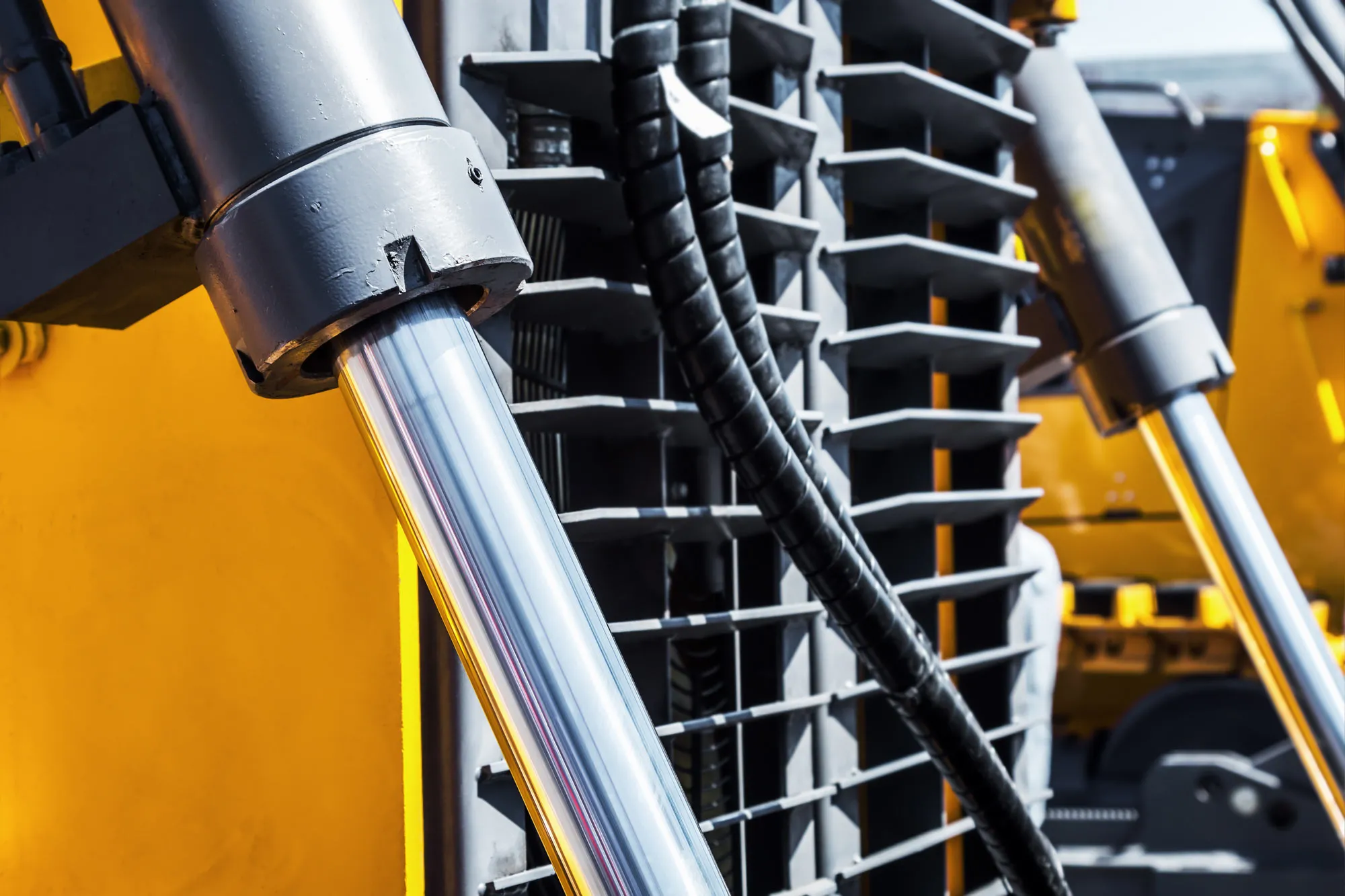
The HVAF coating process enables dense, hard, highly corrosion-resistant carbide surfaces to be produced. Much higher surface hardness (with adjustable Ra values significantly below 0.1) can be achieved in comparison to hard chrome and alternative HVOF processes. The highly stable topography makes for stable system conditions and significantly less stress for sealing elements. As a result, the coatings make excellent mating surfaces for seals such as radial shaft seals and sealing glands. Low-oxide, non-porous coatings with excellent adhesion produced using HVAF increase components’ corrosion resistance and lead to longer lifetimes.
The coating systems used by Putzier are hard metal coatings based on chromium or tungsten carbide using the HVAF coating process. For this purpose we employ products such as MC32, MC34 and MC40.
The result
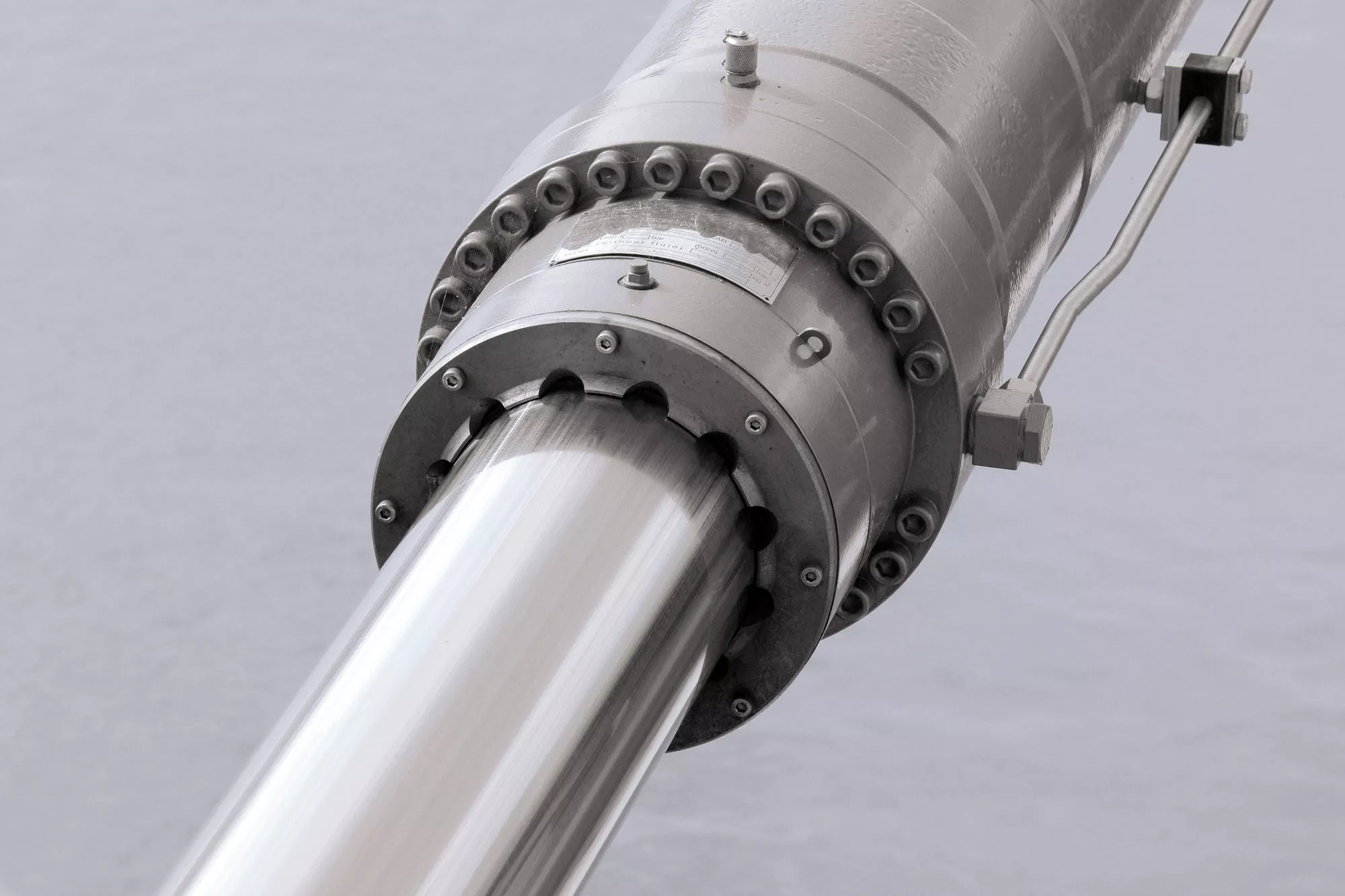
This method optimizes the sealing system by creating a coating with a homogeneous, crack-free and highly polishable surface which is ideal for use in tribological systems. Higher coating hardness with a dense microstructure enables surfaces with a longer lifetime and reduces the formation of grooves in piston surfaces. Low-oxide, low-porous coatings minimize corrosive attack and enable a longer lifetime in highly corrosive environments such as a highly saline marine atmosphere.
Your advantages with
Putzier
With over 30 years of experience in thermal spray technology, Putzier Surface Technology brings an unparalleled depth of knowledge and expertise to every project. Our history is a testament to consistency, quality and the pursuit of excellence.
At Putzier Oberflächentechnik, the focus is on the continuous analysis and optimization of our processes. By consistently identifying weak points in applications, we expand and refine our portfolio to always meet the highest industry standards.
Our technically superior processes, especially the HVAF coating process, set standards in the industry. With Putzier surface technology, you not only get first-class solutions, but also a decisive edge over your competitors.
Do you have any questions?


Our opening hours:
Mon - Fri from 7:30 to 16:30.
- Quick response within 48 hours.
- Personal contact.
- All information always at hand.
Thermal spraying is a surface engineering process in which materials are applied in molten or semi-molten form to a surface to protect, regenerate or improve its properties. At Putzier Surface Engineering, this process is used to optimize heavily stressed components, regenerate worn surfaces, and protect vulnerable components from failure.
Thermal spraying is a surface engineering process in which materials are applied in molten or semi-molten form to a surface to protect, regenerate or improve its properties. At Putzier Surface Engineering, this process is used to optimize heavily stressed components, regenerate worn surfaces, and protect vulnerable components from failure.
Thermal spraying is a surface engineering process in which materials are applied in molten or semi-molten form to a surface to protect, regenerate or improve its properties. At Putzier Surface Engineering, this process is used to optimize heavily stressed components, regenerate worn surfaces, and protect vulnerable components from failure.
Thermal spraying is a surface engineering process in which materials are applied in molten or semi-molten form to a surface to protect, regenerate or improve its properties. At Putzier Surface Engineering, this process is used to optimize heavily stressed components, regenerate worn surfaces, and protect vulnerable components from failure.
Thermal spraying is a surface engineering process in which materials are applied in molten or semi-molten form to a surface to protect, regenerate or improve its properties. At Putzier Surface Engineering, this process is used to optimize heavily stressed components, regenerate worn surfaces, and protect vulnerable components from failure.