

Bulk materials
We are one of the market leaders for the production of high-performance coating systems with more than 30 years of experience and core competence in the field of thermal spray technology.
The initial situation
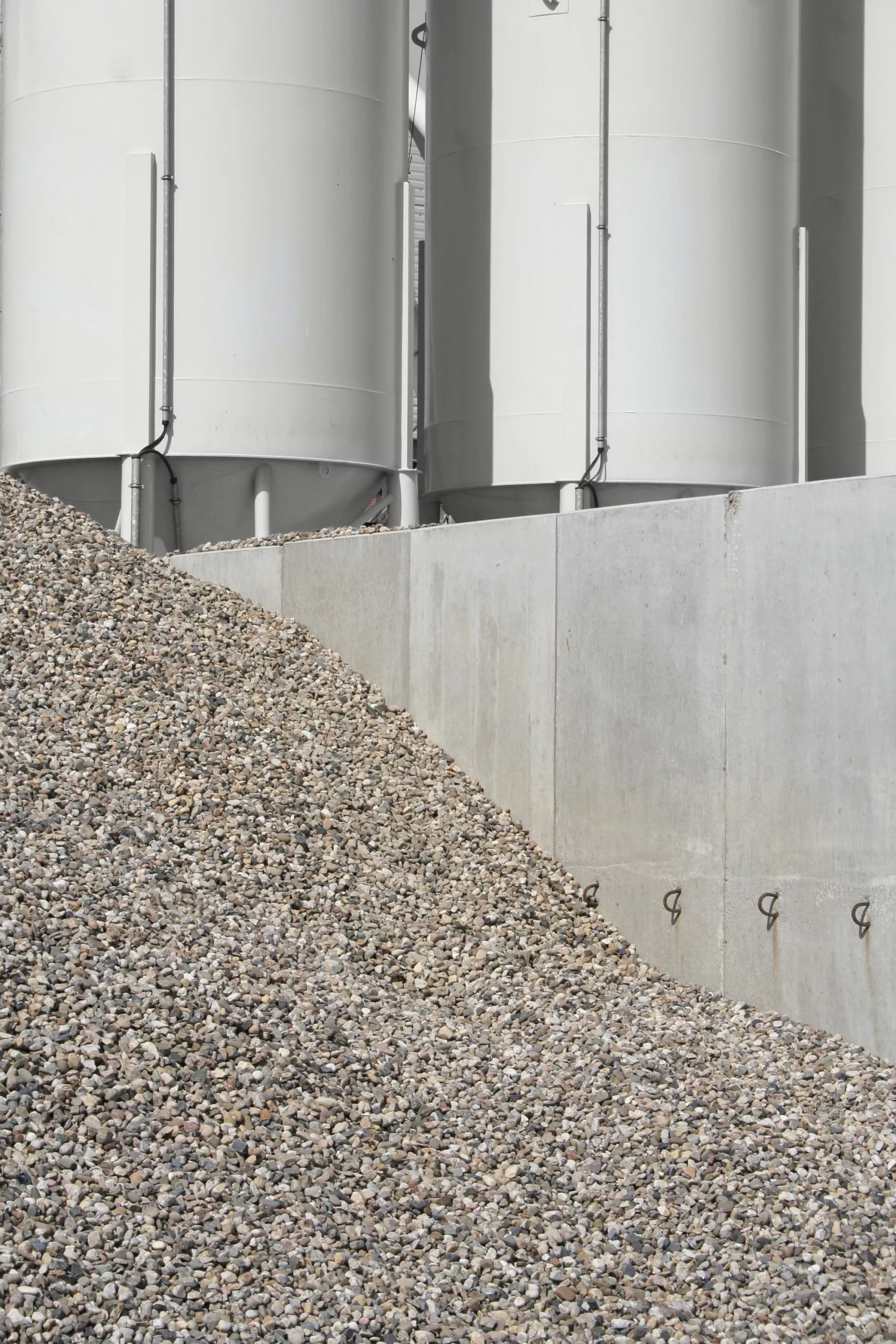
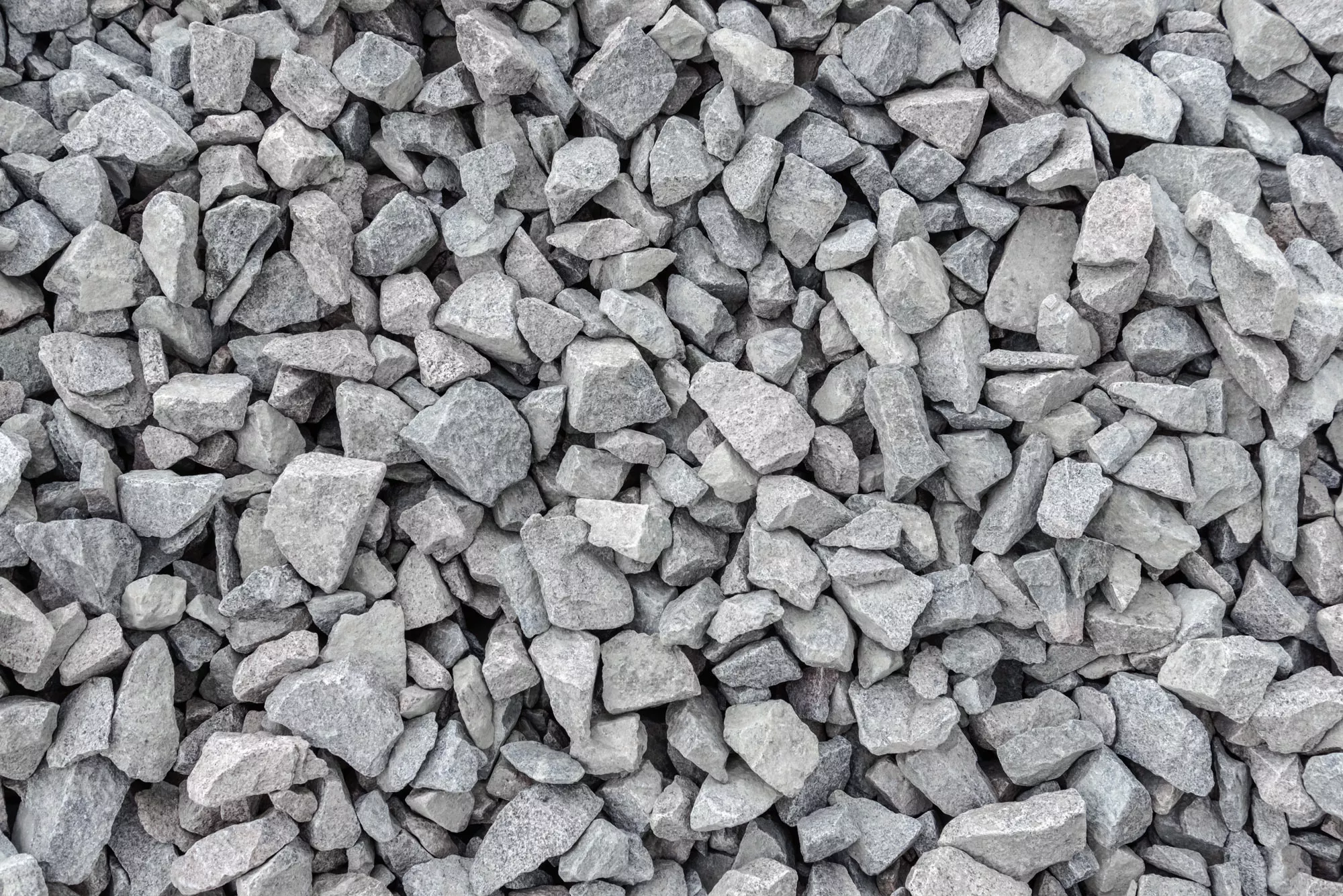
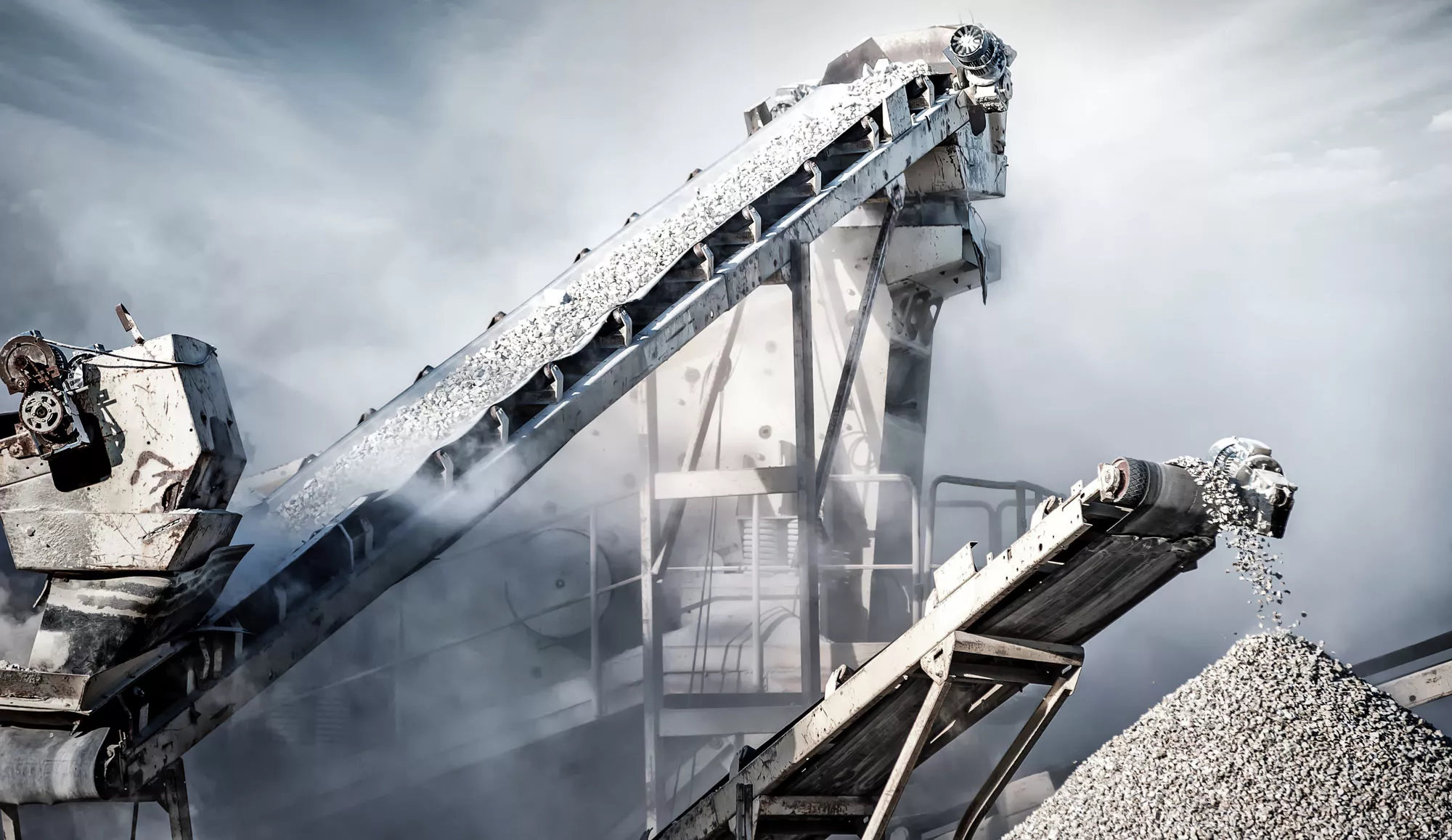
Our clients include companies that produce and process bulk materials and granules as well as manufacturers of sifters, grinders and rotary feeders. They regularly face severe erosive wear to manufacturing and conveying systems caused by the aggressive mechanical behaviour of the materials produced, moved or processed. Continuous wear prevention methods such as hardening, hard chrome plating and welding often provide insufficient protection or are expensive and time-consuming, requiring for example high temperatures and complicated finishing. Moreover, thin components exposed to erosive wear require a protection method that can be applied at low temperatures to prevent distortion. Wear frequently also affects the inner radii, and so our clients also need an appropriate internal coating technique.
The solution
Putzier is one of the handful of suppliers who can bring about significantly improved protection against erosive wear by using HVAF coatings. Compared to HVOF, HVAF coatings have higher moduli of elasticity, increased adhesion, and a denser, far less porous coating structure.
We solve the problems of erosive wear by applying thermal spray coatings with good dimensional stability and low heat input. This can be done inexpensively because very little is required in the way of finishing. To prevent wear to metal components, we spray hard metal coatings with a suitable thickness to create a contact surface with the surrounding substances. Owing to the low temperatures used, even thin sheets such as screens used in granulation can be coated. If wear occurs to the inner radii, we use an inner coating lance for the HVAF process which enables drill holes with diameters exceeding 160mm to be coated.
For this process, we normally use carbide-based hard metal coatings. They are generally applied by means of the HVOF [CA1] or the HVAF process. The Putzier products which can be used for this are MC32, MC34 or MC40.
The result
Innovative coating methods such as HVAF give you performance-optimized coating systems with significantly higher protection against erosive and corrosive substances. Sensitive and even very thin components (e.g. made out of sheet metal) are protected from distortion by the gentle application method. Furthermore, fine carbide coatings ensure lower finishing costs.
Do you have any questions?


Our opening hours:
Mon - Fri from 7:30 to 16:30.
- Quick response within 48 hours.
- Personal contact.
- All information always at hand.
Thermal spraying is a surface engineering process in which materials are applied in molten or semi-molten form to a surface to protect, regenerate or improve its properties. At Putzier Surface Engineering, this process is used to optimize heavily stressed components, regenerate worn surfaces, and protect vulnerable components from failure.
Thermal spraying is a surface engineering process in which materials are applied in molten or semi-molten form to a surface to protect, regenerate or improve its properties. At Putzier Surface Engineering, this process is used to optimize heavily stressed components, regenerate worn surfaces, and protect vulnerable components from failure.
Thermal spraying is a surface engineering process in which materials are applied in molten or semi-molten form to a surface to protect, regenerate or improve its properties. At Putzier Surface Engineering, this process is used to optimize heavily stressed components, regenerate worn surfaces, and protect vulnerable components from failure.
Thermal spraying is a surface engineering process in which materials are applied in molten or semi-molten form to a surface to protect, regenerate or improve its properties. At Putzier Surface Engineering, this process is used to optimize heavily stressed components, regenerate worn surfaces, and protect vulnerable components from failure.
Thermal spraying is a surface engineering process in which materials are applied in molten or semi-molten form to a surface to protect, regenerate or improve its properties. At Putzier Surface Engineering, this process is used to optimize heavily stressed components, regenerate worn surfaces, and protect vulnerable components from failure.