

Mechanical Engineering
Our extensive know-how benefits our customers in the finishing of regenerated components and coating systems and in the Siegler technology.
Initial situation
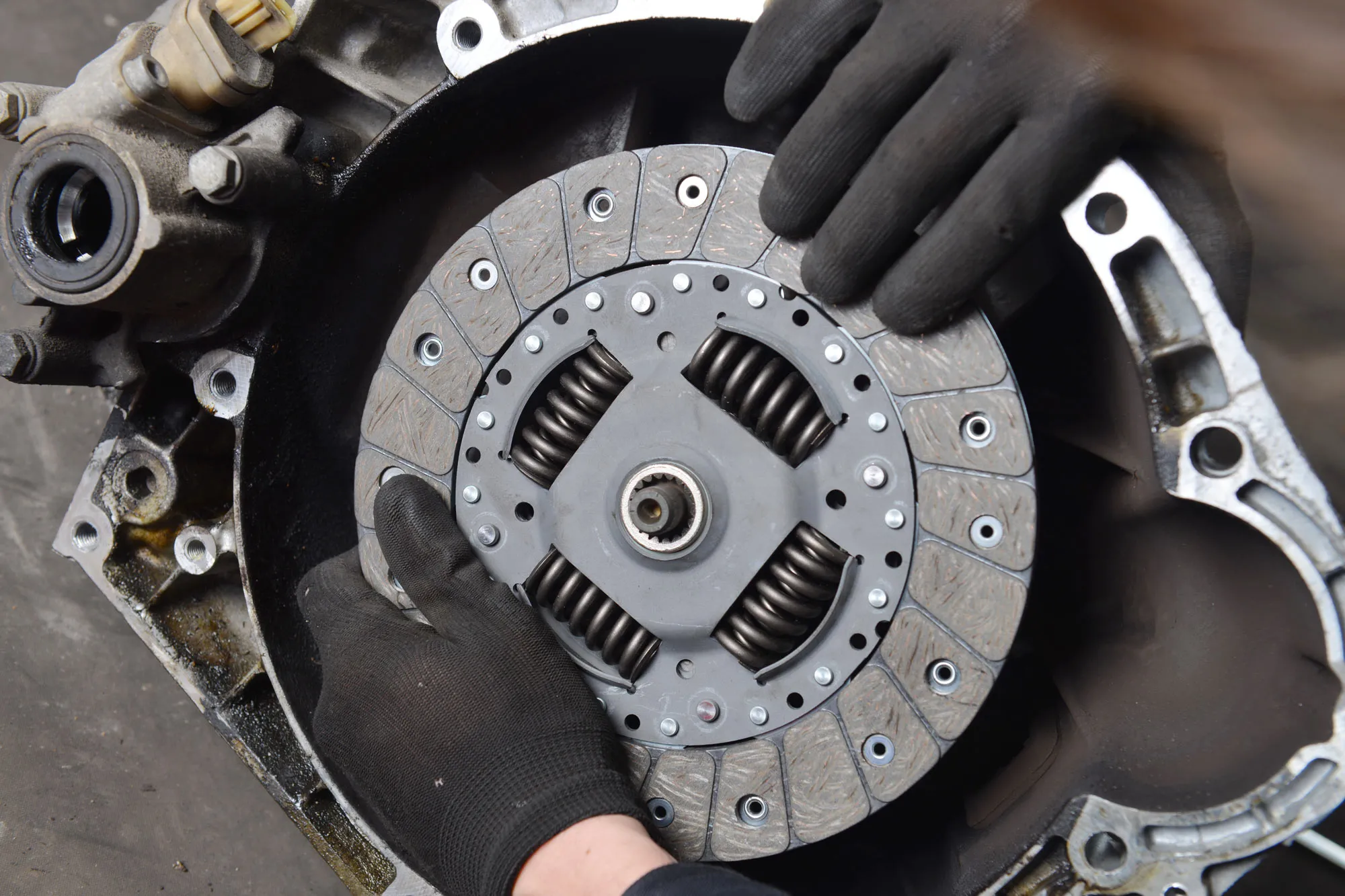
For example, due to friction or corrosion, machine components on bearing, seal and packing seats wear out considerably. In these cases, our customers look for cost-effective repair options for the worn components so that they do not have to be disposed of. If the components are no longer available on the market or are very expensive, such as copper, titanium, niobium and tantalum, their salvage becomes particularly important.
The solution
Our thermal spray processes offer a wide range of options for reconditioning worn components. We re-inject worn bearing, fit and seal seats and rework them to fit size. If necessary, we can remove existing functional surfaces using suitable processes.
If it is possible to restore only the fitting dimensions at low cost by spraying and reworking the surfaces, Putzier Oberflächentechnik can also optimize components that have not been protected against wear to date but are exposed to high loads in operation by using wear and corrosion-protective surfaces made of ceramic or hard metal.
With cold gas spraying, we are also able to produce pure, homogeneous, non-porous and oxide-free metallic coatings. In this way, worn components made of expensive materials such as copper, tantalum, niobium, etc. can be regenerated with manageable effort.
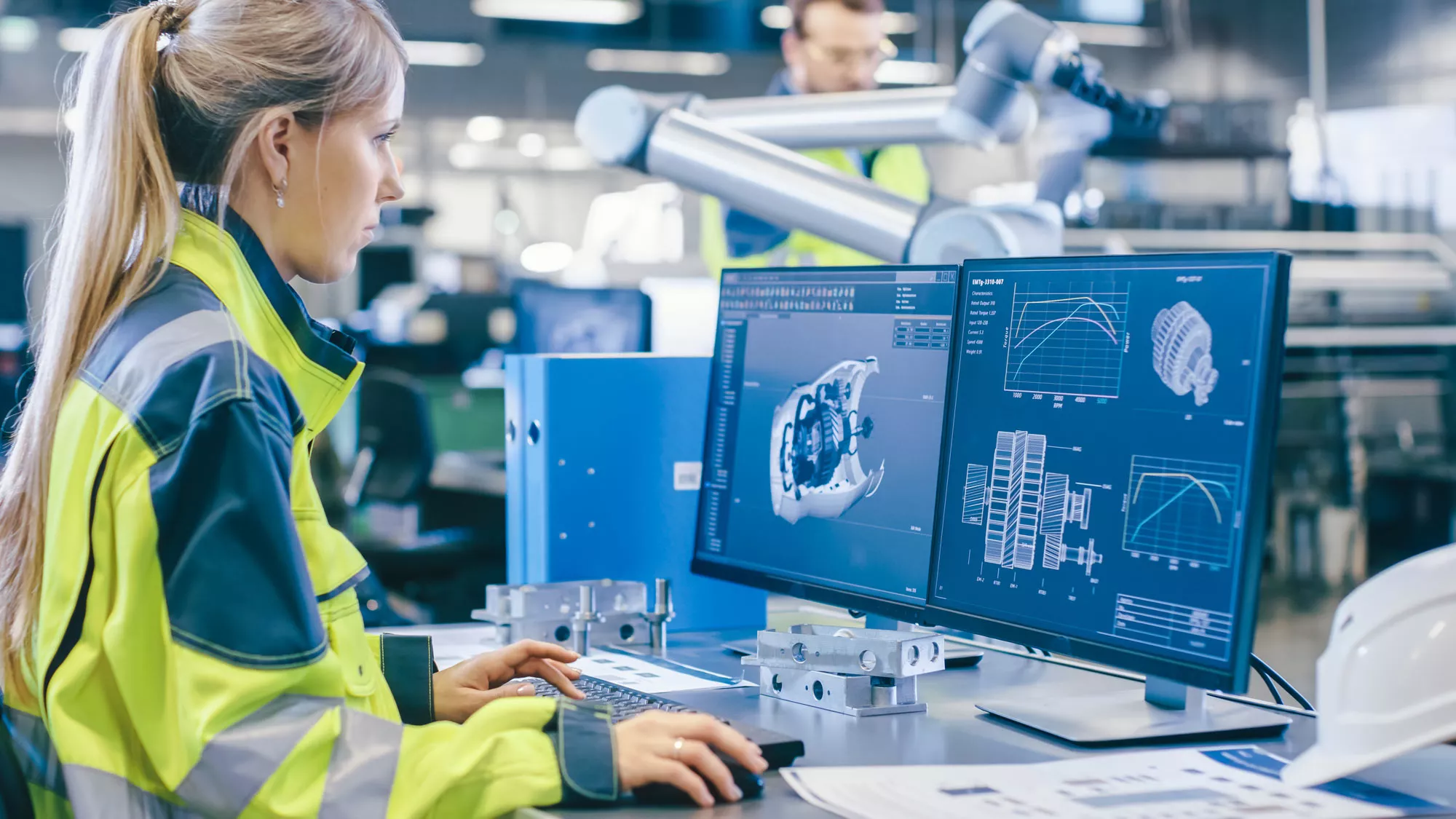
If you do not have any drawings for old parts, we can produce CAD drawings on request and thus ensure the supply of manufactured spare parts according to samples even years later.
The result
As a cost-effective alternative compared to making the parts from scratch, we salvage them quickly and inexpensively by spraying on thermal spray coatings. In contrast to a new part, we have many options – from a simple dimensional restoration to a variety of surface optimizations. We round off our service by producing drawings of your components on request, thus ensuring their recovery.
Do you have any questions?


Our opening hours:
Mon - Fri from 7:30 to 16:30.
- Quick response within 48 hours.
- Personal contact.
- All information always at hand.
Thermal spraying is a surface engineering process in which materials are applied in molten or semi-molten form to a surface to protect, regenerate or improve its properties. At Putzier Surface Engineering, this process is used to optimize heavily stressed components, regenerate worn surfaces, and protect vulnerable components from failure.
Thermal spraying is a surface engineering process in which materials are applied in molten or semi-molten form to a surface to protect, regenerate or improve its properties. At Putzier Surface Engineering, this process is used to optimize heavily stressed components, regenerate worn surfaces, and protect vulnerable components from failure.
Thermal spraying is a surface engineering process in which materials are applied in molten or semi-molten form to a surface to protect, regenerate or improve its properties. At Putzier Surface Engineering, this process is used to optimize heavily stressed components, regenerate worn surfaces, and protect vulnerable components from failure.
Thermal spraying is a surface engineering process in which materials are applied in molten or semi-molten form to a surface to protect, regenerate or improve its properties. At Putzier Surface Engineering, this process is used to optimize heavily stressed components, regenerate worn surfaces, and protect vulnerable components from failure.
Thermal spraying is a surface engineering process in which materials are applied in molten or semi-molten form to a surface to protect, regenerate or improve its properties. At Putzier Surface Engineering, this process is used to optimize heavily stressed components, regenerate worn surfaces, and protect vulnerable components from failure.