

Oil and
Gas Industry
Special coatings for extreme conditions: Maximum performance and reliability for the demanding energy industry.
Initial situation
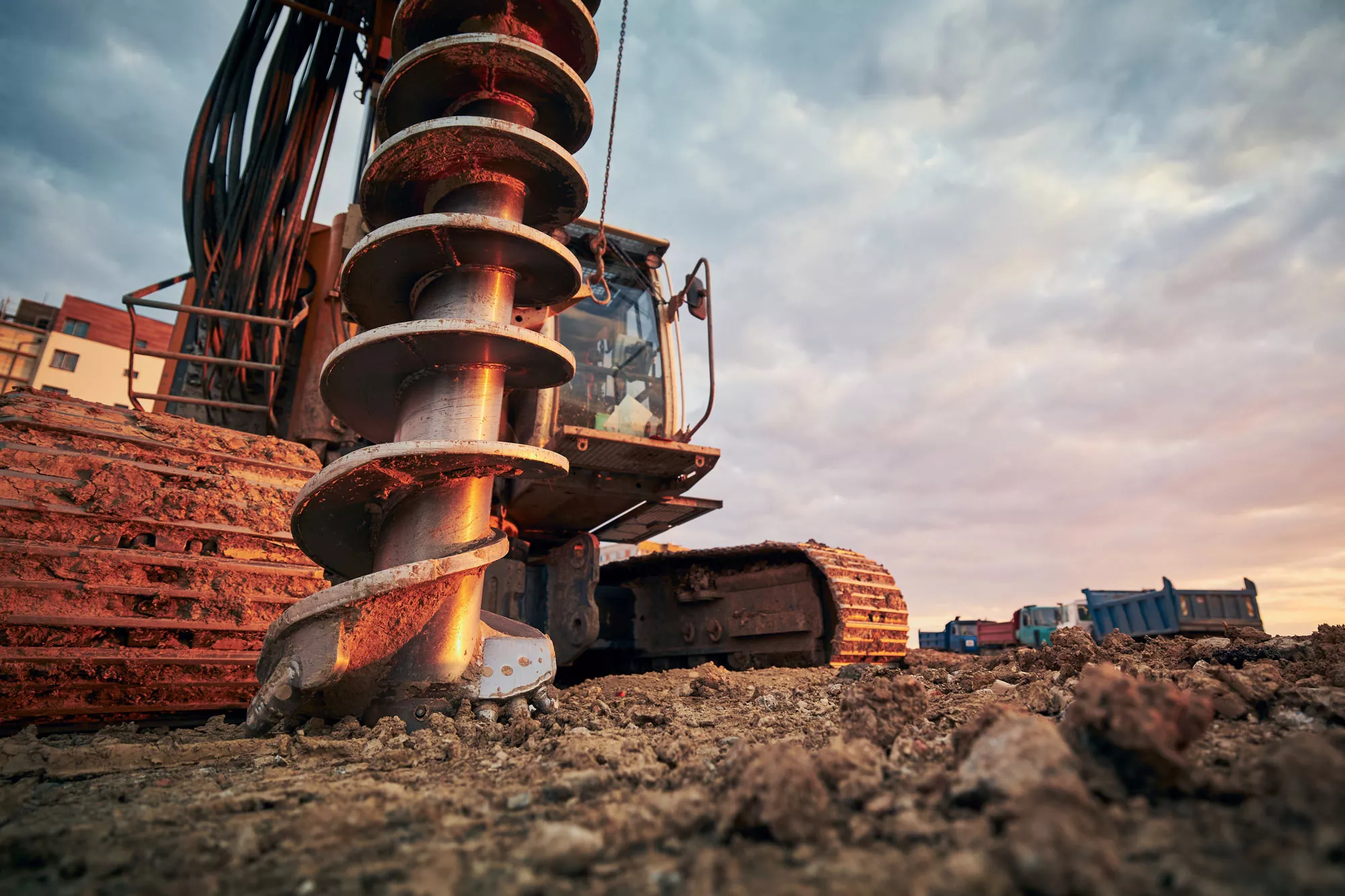
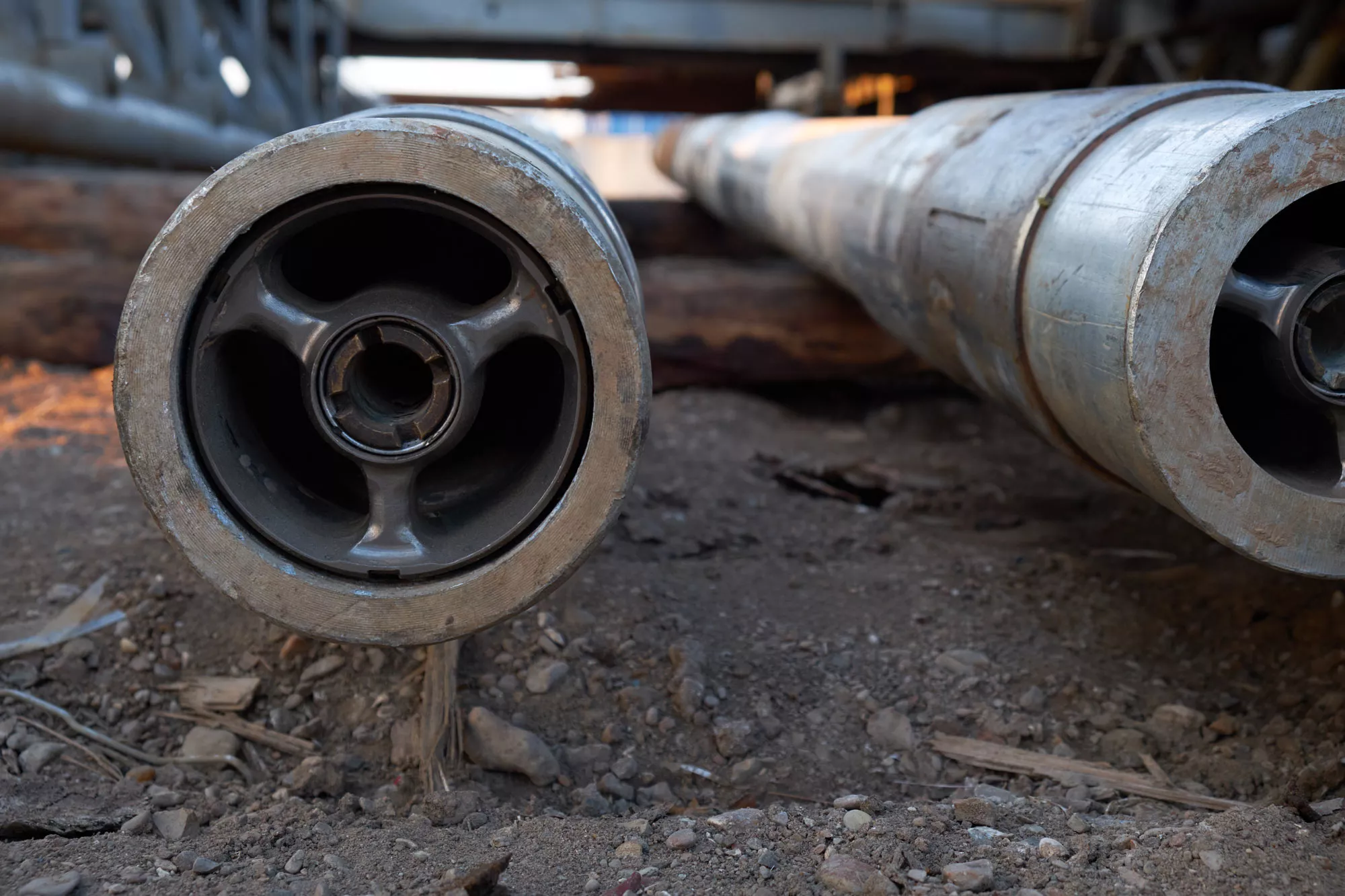
In natural gas and oil production, large amounts of overburden and drilling dust need to be moved from wells to the surface. Mud motors are used which remove the overburden by means of rotating rotors inside a stator pipe. The high wear on the rotor surfaces and the pumps requires protection in order to ensure the equipment can be operated for as long as possible and to keep maintenance costs down. Drilling fluids lead to additional corrosive attack and require a dense surface coating on the rotors and drive units coming into contact with oil or gas which is as non-porous as possible to prevent subsurface corrosion and resulting chipping on the anti-wear protective coating.
The solutions currently used are expensive and time-consuming. The porosities of 2–5% occurring during conventional coating processes need to be sealed with additional sealer technology.
The solution
As a result of new coating methods and substantial progress in the development of powder compounds for hard metals, coatings can now be applied with such low porosity that laborious subsequent sealing with expensive special materials is no longer necessary. This significantly shortens turnaround times. Using the HVAF method, carbide materials are thickly applied in a short space of time and can then be finished to achieve the desired roughness. These materials can be used to protect against corrosion and wear, including in pump units subject to high wear and tear.
Using the HVAF coating method, Putzier applies hard metal coatings based on chromium or tungsten carbide. For this purpose, products such as MC32, MC34 and MC40 are used.
Low-porosity coating
Extremely low-porosity coatings, thus eliminating the need for costly subsequent sealing.
Time-efficient HVAF process
Fast application of carbide materials in high layer thicknesses
Versatile protection
Corrosion and wear protection, especially for heavily loaded pump units.
Specialized coatings
Special carbides to meet the requirements of the industry.
The result
Using HVAF coatings is a logical alternative to expensive hard metal coatings of the type mostly used at present in mud motors which then need to be laboriously sealed. Moreover, this new technology and the benefits of coating are also suitable for other parts of drilling units which are subject to severe wear.

Do you have any questions?


Our opening hours:
Mon - Fri from 7:30 to 16:30.
- Quick response within 48 hours.
- Personal contact.
- All information always at hand.
Thermal spraying is a surface engineering process in which materials are applied in molten or semi-molten form to a surface to protect, regenerate or improve its properties. At Putzier Surface Engineering, this process is used to optimize heavily stressed components, regenerate worn surfaces, and protect vulnerable components from failure.
Thermal spraying is a surface engineering process in which materials are applied in molten or semi-molten form to a surface to protect, regenerate or improve its properties. At Putzier Surface Engineering, this process is used to optimize heavily stressed components, regenerate worn surfaces, and protect vulnerable components from failure.
Thermal spraying is a surface engineering process in which materials are applied in molten or semi-molten form to a surface to protect, regenerate or improve its properties. At Putzier Surface Engineering, this process is used to optimize heavily stressed components, regenerate worn surfaces, and protect vulnerable components from failure.
Thermal spraying is a surface engineering process in which materials are applied in molten or semi-molten form to a surface to protect, regenerate or improve its properties. At Putzier Surface Engineering, this process is used to optimize heavily stressed components, regenerate worn surfaces, and protect vulnerable components from failure.
Thermal spraying is a surface engineering process in which materials are applied in molten or semi-molten form to a surface to protect, regenerate or improve its properties. At Putzier Surface Engineering, this process is used to optimize heavily stressed components, regenerate worn surfaces, and protect vulnerable components from failure.