

Wind power
As your versatile partner, we offer you a wide range of processes. Cold gas or HVAF coating processes enable dense, homogeneous, corrosion-resistant coatings.
The initial situation
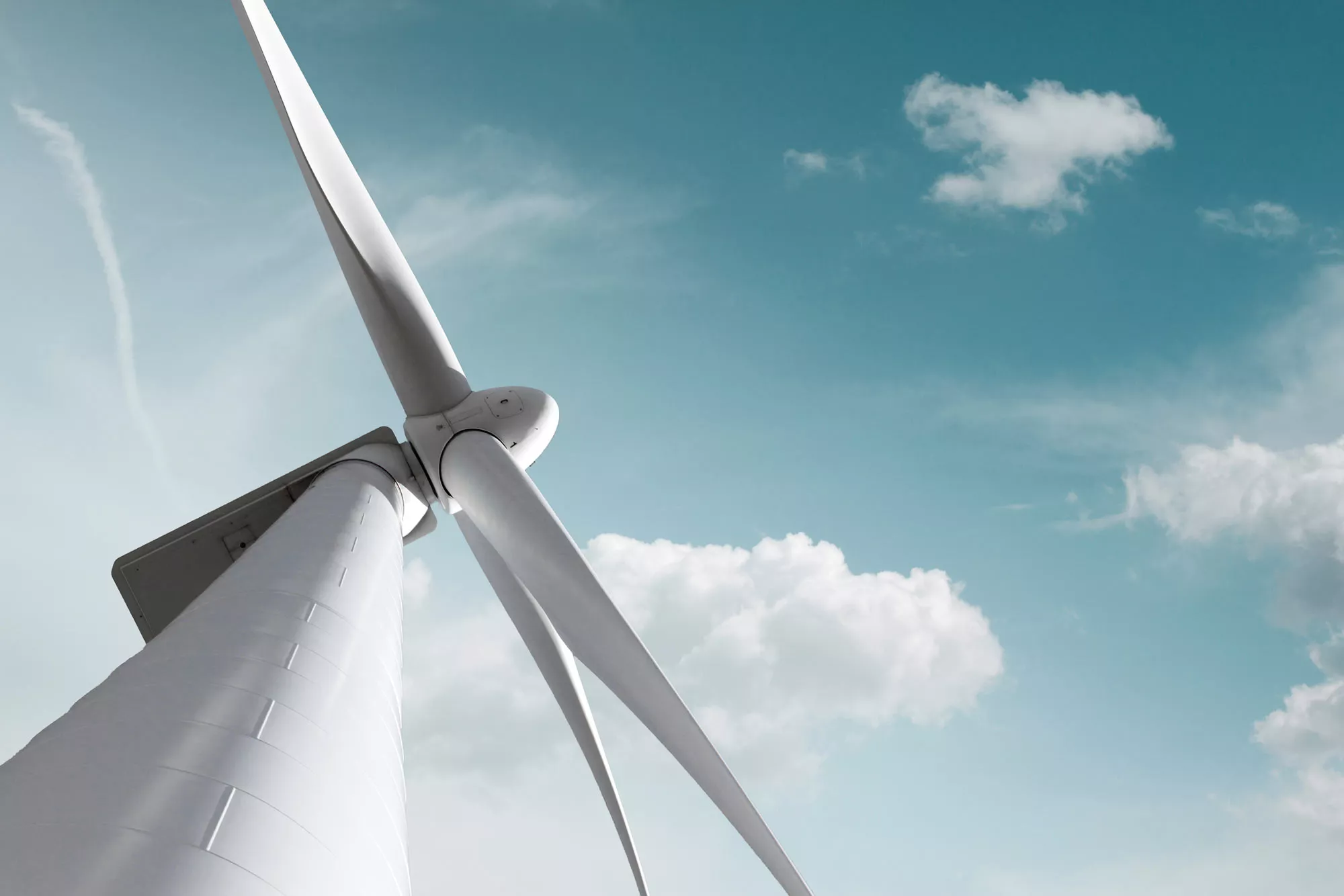
Thermal coatings are also beneficial for wind turbines given the different requirements they face. Suitable functions include the insulation of components and modules, the long-term, reliable protection of components in offshore wind turbines from corrosion caused by the marine environment, and the search for low-friction materials in order to reduce start-up wear. Because maintenance and repair work is expensive and time-consuming, especially for remote wind turbines, long warranty periods require wind turbines which need zero maintenance and run smoothly for very long periods.
The solution
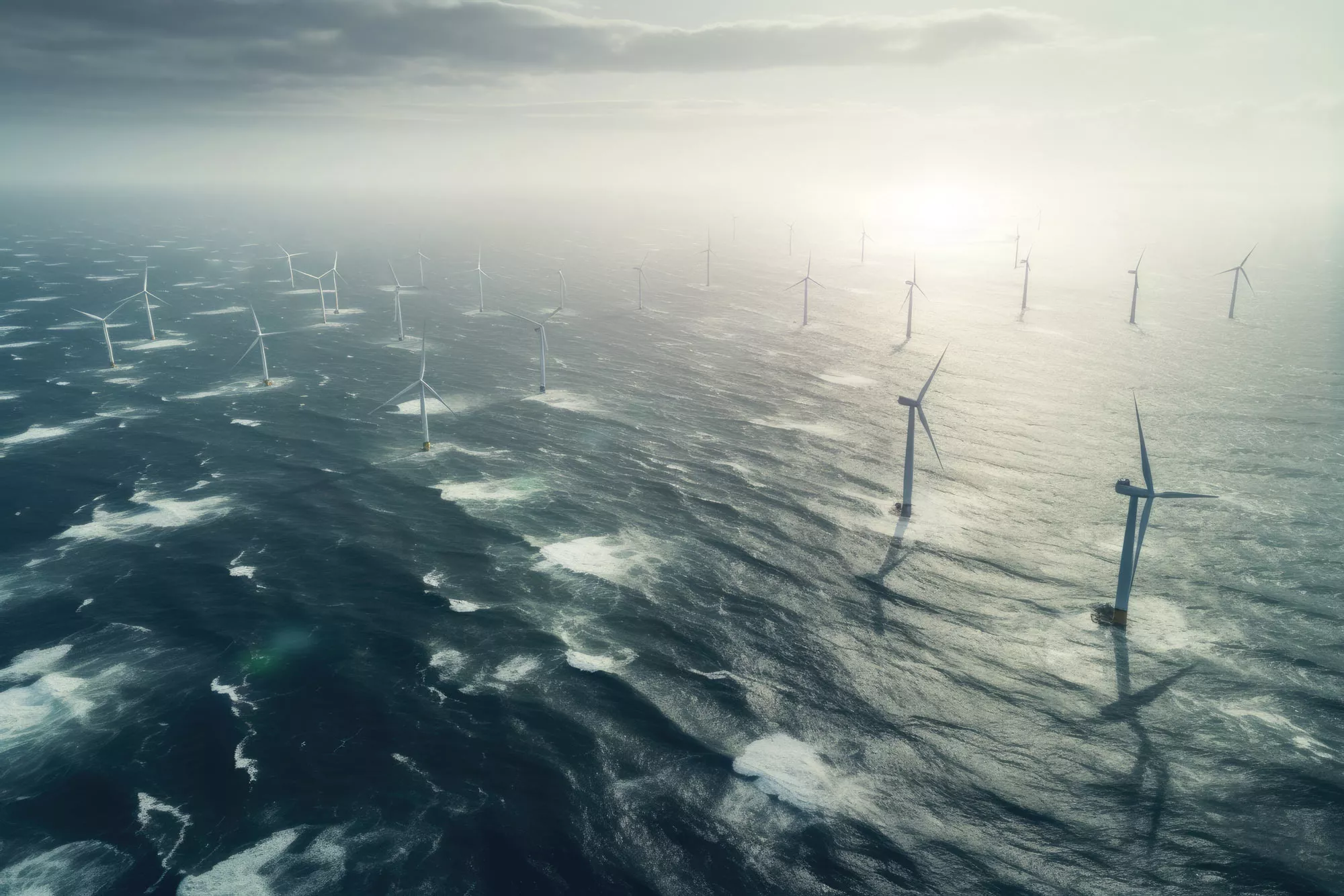
Thermal coatings provide very good electrical insulation and protection against wear. Thick, dense, non-porous cold gas coatings serve as effective corrosion protection coatings while bronze coatings act as suitable mating surfaces. Ceramic mating surfaces ensure durable protection against wear even in systems with low rotational speeds and sustainably protect the sealing elements used. The net result is wind turbines with longer lifetimes.
To meet these requirements, Putzier uses products such as MO10 as an electrical insulator, MO26 for mating surfaces and cold gas coatings, M24 as a thick, dense, non-porous anticorrosive coating, and Putzier ML46 as an anti-friction coating.
The result
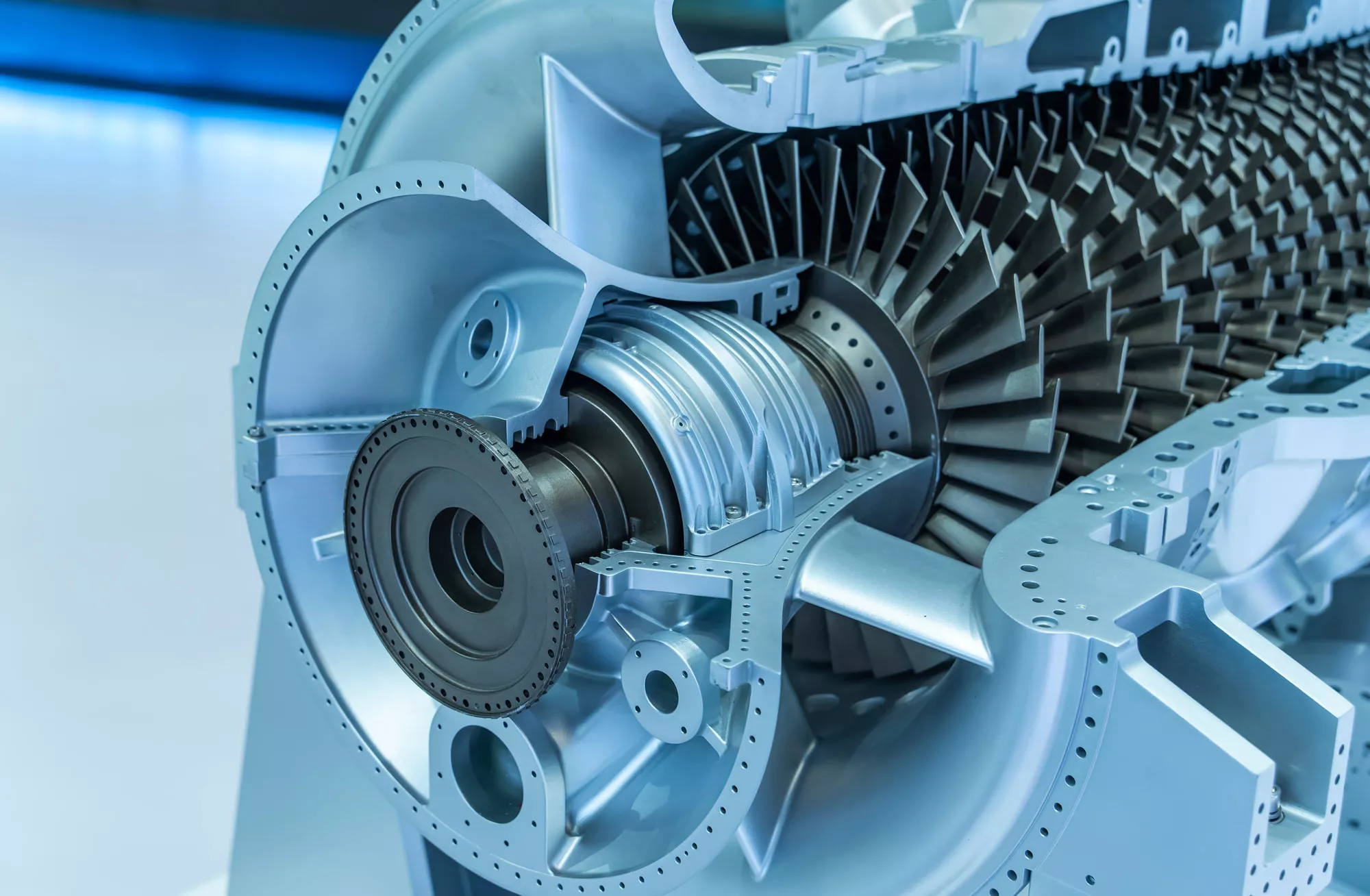
Cold gas corrosion protection options are an alternative to anticorrosive paint for sections of offshore wind farms subject to high corrosion. The use of thermal spray coatings for insulation prevents the unwanted flow of current between components and subsystems. And wear-resistant coatings used as mating surfaces in sealing systems extend systems’ lifetime. All these system enhancements increase the operating life of wind turbines and reduce maintenance costs.

Do you have any questions?


Our opening hours:
Mon - Fri from 7:30 to 16:30.
- Quick response within 48 hours.
- Personal contact.
- All information always at hand.
Thermal spraying is a surface engineering process in which materials are applied in molten or semi-molten form to a surface to protect, regenerate or improve its properties. At Putzier Surface Engineering, this process is used to optimize heavily stressed components, regenerate worn surfaces, and protect vulnerable components from failure.
Thermal spraying is a surface engineering process in which materials are applied in molten or semi-molten form to a surface to protect, regenerate or improve its properties. At Putzier Surface Engineering, this process is used to optimize heavily stressed components, regenerate worn surfaces, and protect vulnerable components from failure.
Thermal spraying is a surface engineering process in which materials are applied in molten or semi-molten form to a surface to protect, regenerate or improve its properties. At Putzier Surface Engineering, this process is used to optimize heavily stressed components, regenerate worn surfaces, and protect vulnerable components from failure.
Thermal spraying is a surface engineering process in which materials are applied in molten or semi-molten form to a surface to protect, regenerate or improve its properties. At Putzier Surface Engineering, this process is used to optimize heavily stressed components, regenerate worn surfaces, and protect vulnerable components from failure.
Thermal spraying is a surface engineering process in which materials are applied in molten or semi-molten form to a surface to protect, regenerate or improve its properties. At Putzier Surface Engineering, this process is used to optimize heavily stressed components, regenerate worn surfaces, and protect vulnerable components from failure.